AI in Education Smarter Learning for Industrial Training
By Zeeshan Ahmed Team • Sep 27, 2025
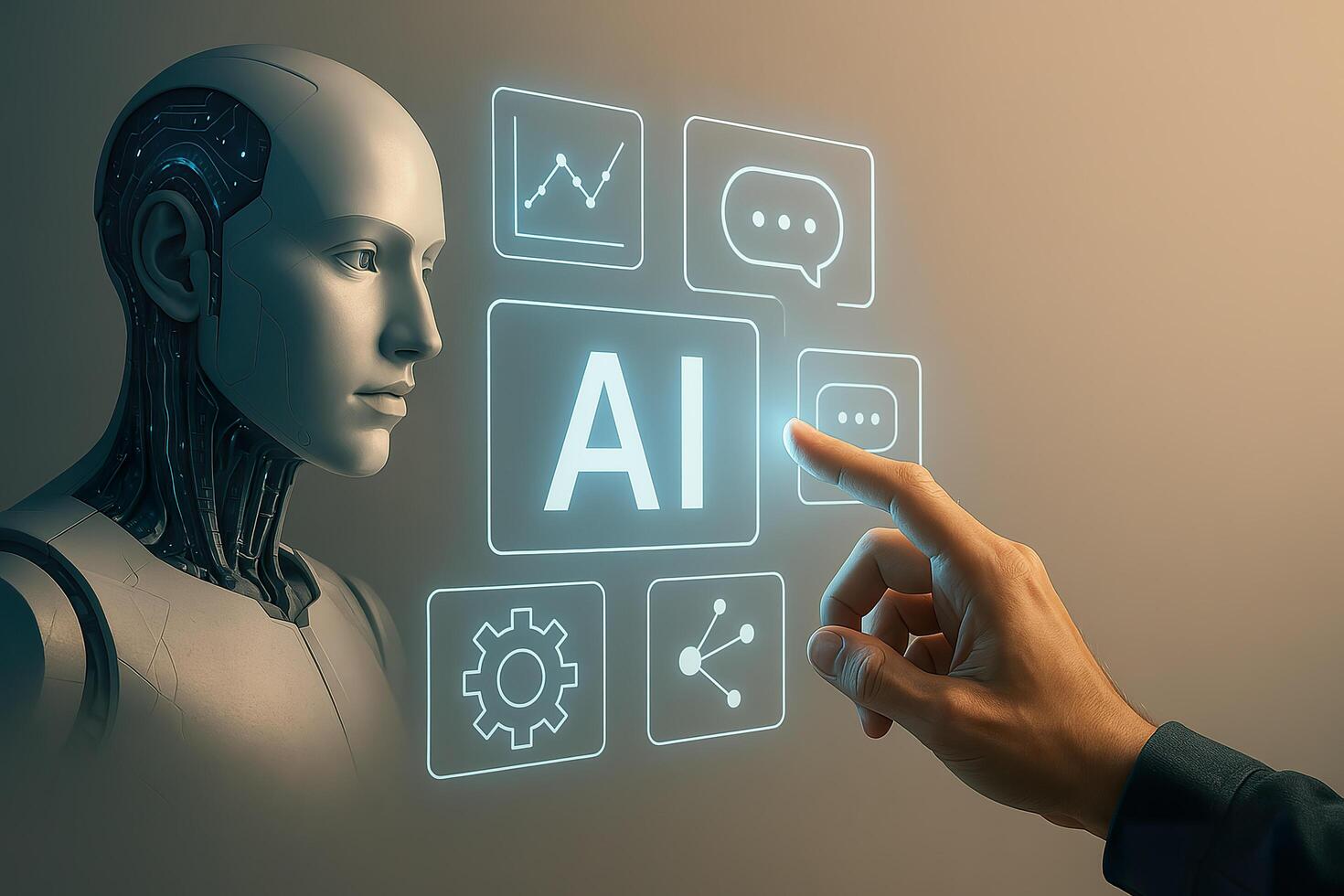
Traditional industrial training has long been a model of inefficiency. It typically consists of one-size-fits-all classroom lectures, dense technical manuals, and high-stakes on-the-job training that is often costly, disruptive, and potentially dangerous. This legacy approach is a poor fit for the dynamic, complex, and fast-paced nature of modern industry.
Artificial intelligence is now revolutionizing this entire paradigm. By moving beyond static content and passive learning, AI is making industrial training "smarter"—more personalized, accessible, safe, and effective. It is shifting workplace education from a periodic, time-consuming event into a continuous, data-driven process that is integrated directly into the workflow.
1. Personalized Learning Paths at Scale
The most significant flaw in traditional industrial training is its "one-size-fits-all" nature, which forces new hires and 20-year veterans to sit through the same generic presentations. AI eliminates this.
Modern, AI-driven Learning Management Systems (LMS) can now deliver "hyper-personalized" learning paths. The process begins with an adaptive assessment that identifies an individual employee's specific knowledge and skill gaps. Based on this profile, the AI curates a unique curriculum:
A new hire might receive a foundational module on basic machine operation and safety protocols.
A tenured operator, on the other hand, might test out of 80% of the material and be served a single, advanced module on a new software update.
This tailored approach is far more engaging for the employee. It also delivers a massive return on investment for the company by saving countless hours of lost productivity, with some organizations reporting a 30-40% reduction in overall training time.
2. Risk-Free Mastery with AI-Powered Simulations
In many industries—such as manufacturing, energy, aviation, and medicine—the most critical skills are also the most dangerous or expensive to practice. You cannot train a new chemical plant operator by simulating a real toxic leak, nor can you teach a technician to repair a multi-million-dollar piece of equipment by letting them "learn from their mistakes."
This is where AI-powered simulations, often using Virtual Reality (VR) and Augmented Reality (AR), have become a game-changer.
Immersive, Safe Environments: A trainee can put on a VR headset and be instantly immersed in a perfect digital replica of their factory floor, power grid, or operating room.
Dynamic, AI-Driven Scenarios: The AI acts as the instructor, running dynamic scenarios that would be impossible to replicate in real life. It can simulate a rare, high-stakes emergency—like a critical equipment failure or a fire—and then track the employee's response.
Instant, Objective Feedback: The AI provides immediate, data-driven feedback on the trainee's performance. It can point out missed steps, hesitation, or procedural errors.
This allows employees to build "muscle memory" for complex and high-risk tasks in a 100% safe and repeatable environment, ensuring they are masters of a procedure before they ever attempt it in the real world.
3. On-Demand, In-Workflow Support
Learning does not stop when the training course ends. AI is now providing continuous, on-the-job support to workers in real-time.
AI "Copilots" for Technicians: A field technician repairing a complex piece of machinery can use an AI-powered assistant on a tablet or smart glasses. Instead of flipping through a 500-page manual, they can ask in plain language, "I'm seeing error code 404-B, what are the most likely causes and first three steps to fix it?" The AI, trained on all the company's technical documents, provides the exact answer instantly.
Generative AI for Content Creation: AI is also drastically reducing the cost and time of creating training materials. A company can feed its technical manuals, safety regulations, and best-practice guides into a generative AI model and ask it to "create a 10-question compliance quiz" or "produce a short training video script on the new safety protocol."
4. Data-Driven Insights and Compliance
AI's analytical power is finally allowing companies to measure the true effectiveness and return on investment of their training. An AI-powered platform tracks every employee's progress, quiz scores, and performance in simulations.
This provides managers with a dashboard of actionable insights. They can move beyond simple "completion rates" and see exactly where their teams are struggling. An analysis might reveal that "the entire night shift is failing the simulation on the new 'lock-out/tag-out' procedure," allowing for a targeted, proactive retraining session. For compliance-heavy industries, this also creates a perfect, auditable, and automated record that every employee has been successfully trained and certified on all required safety standards.
Artificial intelligence is now revolutionizing this entire paradigm. By moving beyond static content and passive learning, AI is making industrial training "smarter"—more personalized, accessible, safe, and effective. It is shifting workplace education from a periodic, time-consuming event into a continuous, data-driven process that is integrated directly into the workflow.
1. Personalized Learning Paths at Scale
The most significant flaw in traditional industrial training is its "one-size-fits-all" nature, which forces new hires and 20-year veterans to sit through the same generic presentations. AI eliminates this.
Modern, AI-driven Learning Management Systems (LMS) can now deliver "hyper-personalized" learning paths. The process begins with an adaptive assessment that identifies an individual employee's specific knowledge and skill gaps. Based on this profile, the AI curates a unique curriculum:
A new hire might receive a foundational module on basic machine operation and safety protocols.
A tenured operator, on the other hand, might test out of 80% of the material and be served a single, advanced module on a new software update.
This tailored approach is far more engaging for the employee. It also delivers a massive return on investment for the company by saving countless hours of lost productivity, with some organizations reporting a 30-40% reduction in overall training time.
2. Risk-Free Mastery with AI-Powered Simulations
In many industries—such as manufacturing, energy, aviation, and medicine—the most critical skills are also the most dangerous or expensive to practice. You cannot train a new chemical plant operator by simulating a real toxic leak, nor can you teach a technician to repair a multi-million-dollar piece of equipment by letting them "learn from their mistakes."
This is where AI-powered simulations, often using Virtual Reality (VR) and Augmented Reality (AR), have become a game-changer.
Immersive, Safe Environments: A trainee can put on a VR headset and be instantly immersed in a perfect digital replica of their factory floor, power grid, or operating room.
Dynamic, AI-Driven Scenarios: The AI acts as the instructor, running dynamic scenarios that would be impossible to replicate in real life. It can simulate a rare, high-stakes emergency—like a critical equipment failure or a fire—and then track the employee's response.
Instant, Objective Feedback: The AI provides immediate, data-driven feedback on the trainee's performance. It can point out missed steps, hesitation, or procedural errors.
This allows employees to build "muscle memory" for complex and high-risk tasks in a 100% safe and repeatable environment, ensuring they are masters of a procedure before they ever attempt it in the real world.
3. On-Demand, In-Workflow Support
Learning does not stop when the training course ends. AI is now providing continuous, on-the-job support to workers in real-time.
AI "Copilots" for Technicians: A field technician repairing a complex piece of machinery can use an AI-powered assistant on a tablet or smart glasses. Instead of flipping through a 500-page manual, they can ask in plain language, "I'm seeing error code 404-B, what are the most likely causes and first three steps to fix it?" The AI, trained on all the company's technical documents, provides the exact answer instantly.
Generative AI for Content Creation: AI is also drastically reducing the cost and time of creating training materials. A company can feed its technical manuals, safety regulations, and best-practice guides into a generative AI model and ask it to "create a 10-question compliance quiz" or "produce a short training video script on the new safety protocol."
4. Data-Driven Insights and Compliance
AI's analytical power is finally allowing companies to measure the true effectiveness and return on investment of their training. An AI-powered platform tracks every employee's progress, quiz scores, and performance in simulations.
This provides managers with a dashboard of actionable insights. They can move beyond simple "completion rates" and see exactly where their teams are struggling. An analysis might reveal that "the entire night shift is failing the simulation on the new 'lock-out/tag-out' procedure," allowing for a targeted, proactive retraining session. For compliance-heavy industries, this also creates a perfect, auditable, and automated record that every employee has been successfully trained and certified on all required safety standards.